Navigating city transit doesn’t have to be stressful. With the right transit apps, daily commuters can access real-time arrival data, service alerts, trip planning tools, and digital ticketing—all from their smartphone. Whether you’re trying to avoid delays, find the quickest route, or track your bus down to the minute, these apps will help make your commute smoother, faster, and smarter.
Here are the best transit apps every commuter should consider using.
- Transit App
Transit is one of the most popular public transportation apps in North America. It provides real-time data for buses, trains, subways, and even micromobility options like scooters and bikes. Features include step-by-step directions, service outage alerts, and multimodal trip planning. It’s available in over 200 cities and supports offline mode. - Citymapper
Citymapper is ideal for urban commuters in major metro areas. It combines public transit with walking, cycling, and rideshare options, giving users a wide view of route alternatives. It even tells you which subway car to board for the fastest transfer. Citymapper is best suited for larger cities like New York, Chicago, London, and San Francisco. - Moovit
Moovit supports over 3,000 cities globally and is great for commuters who travel internationally or across regions. It offers live directions, arrival estimates, and accessibility information for disabled riders. Moovit also partners with transit authorities to provide hyper-localized updates. - Google Maps
Google Maps remains a strong option for transit directions, especially for those already using it for driving or walking navigation. While not as transit-specific as other apps, it provides integrated schedules, real-time delays, and multimodal travel times. - Apple Maps
For iPhone users, Apple Maps now offers improved public transit integration in many cities. It includes routing across subway, bus, and rail systems and shows fare card locations in select areas. - Metro-specific apps
Some cities have their own official apps with ticketing features and system-wide alerts. For example:
These are essential if you need mobile ticketing or real-time updates directly from the agency.
- Payment apps and rewards tools
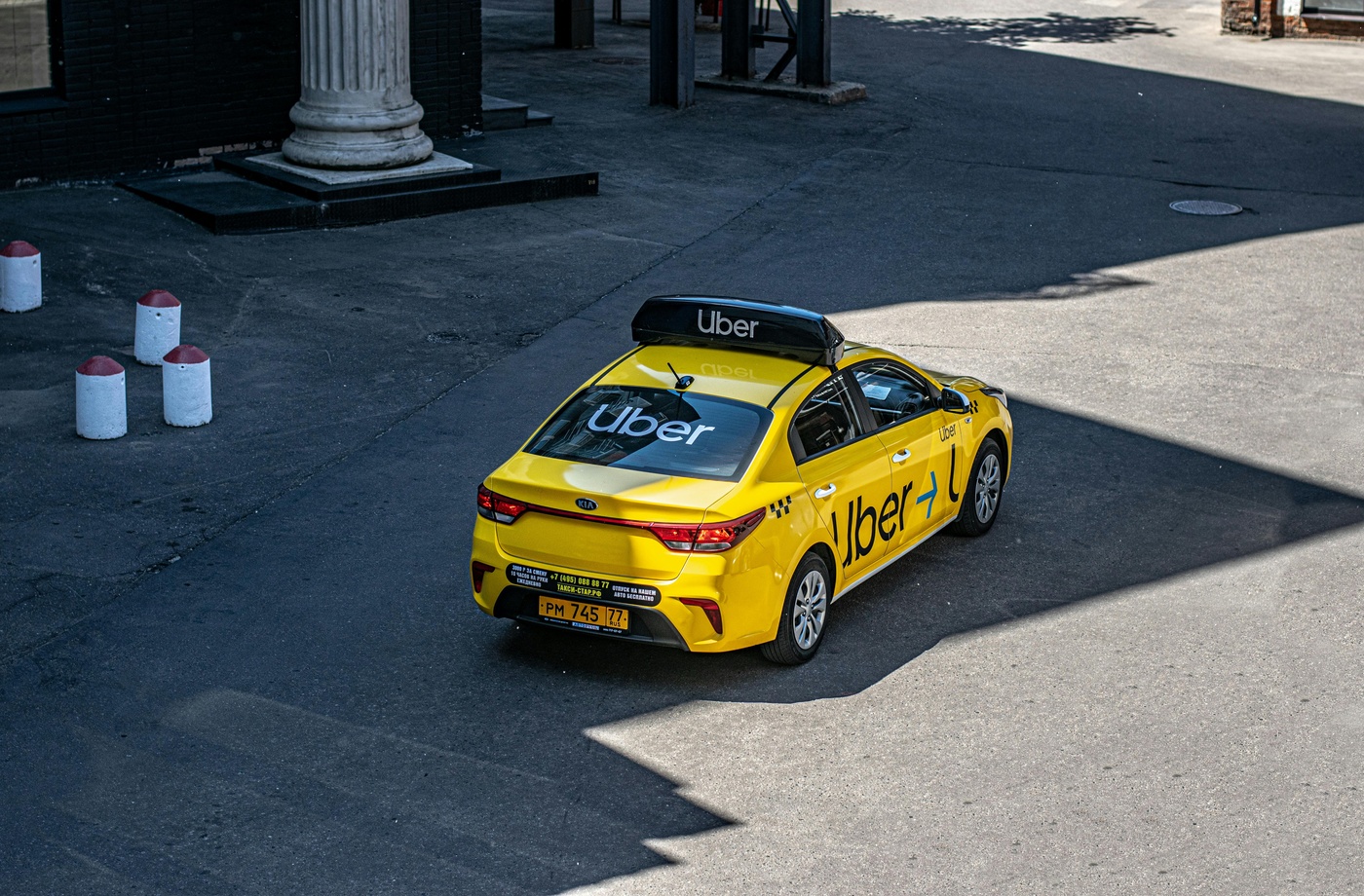
While not traditional transit apps, payment tools like Fluz can help commuters save money by earning rewards on transit-related purchases. For example, if you use a rideshare to connect to a train station, you can earn cashback with a Lyft gift card or get rewards with an Uber gift card by buying the gift card through a rewards platform first.
Choosing the right app for your commute
If your priority is speed and simplicity, Transit or Moovit are great choices. If you want highly detailed route planning and service tips, Citymapper excels. For ticketing and local updates, it’s worth downloading your city’s official transit app. And if you’re looking to save, pairing these tools with a rewards-based payment app can help lower your monthly travel costs.